
In brief: Start by securing basement windows mechanically: protect the window sash with locking handles, tested hardware or a firmly anchored security bar. Also secure the window well against lifting, improve the lighting and keep valuables out of sight. Cameras and alarm systems complement window security but do not replace it.
Direct answer: Start by securing basement windows mechanically: protect the window sash with locking handles, tested hardware or a firmly anchored security bar. Also secure the window well against lifting, improve the lighting and keep valuables out of sight. Cameras and alarm systems complement window security but do not replace it.
Basement windows are often only a few inches above ground level. Hedges, walls and deep window wells shield them from view. As a result, burglars can work undisturbed for longer than they could at a highly visible ground-floor window.
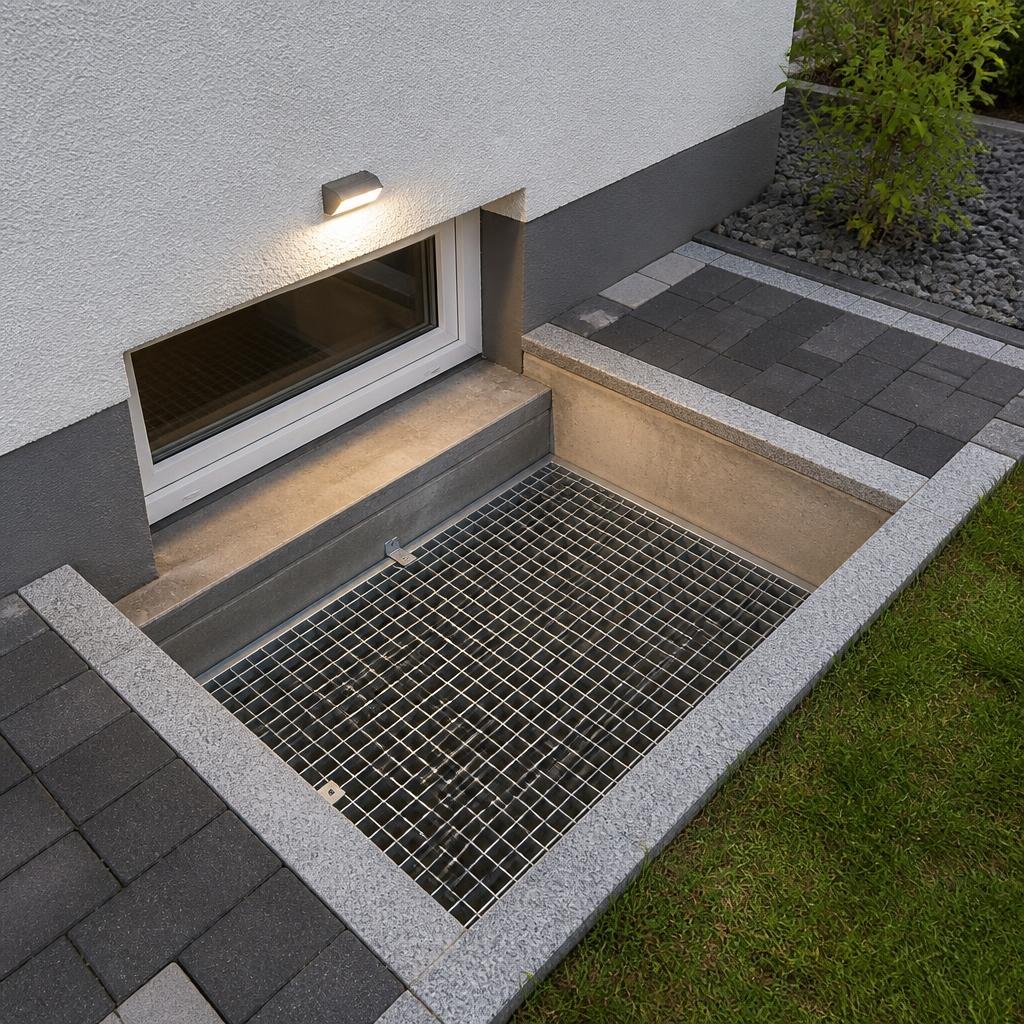
Securing a basement involves more than just the window sash. The frame, glazing, window well and its cover are also part of the protected area. Sturdy window security loses its value if the grate can be lifted with a simple tool.
Start by checking the entire access point. Then choose mechanical security measures, add lighting and surveillance, and protect important items in the basement as well. The following steps show what to look for when improving home security.
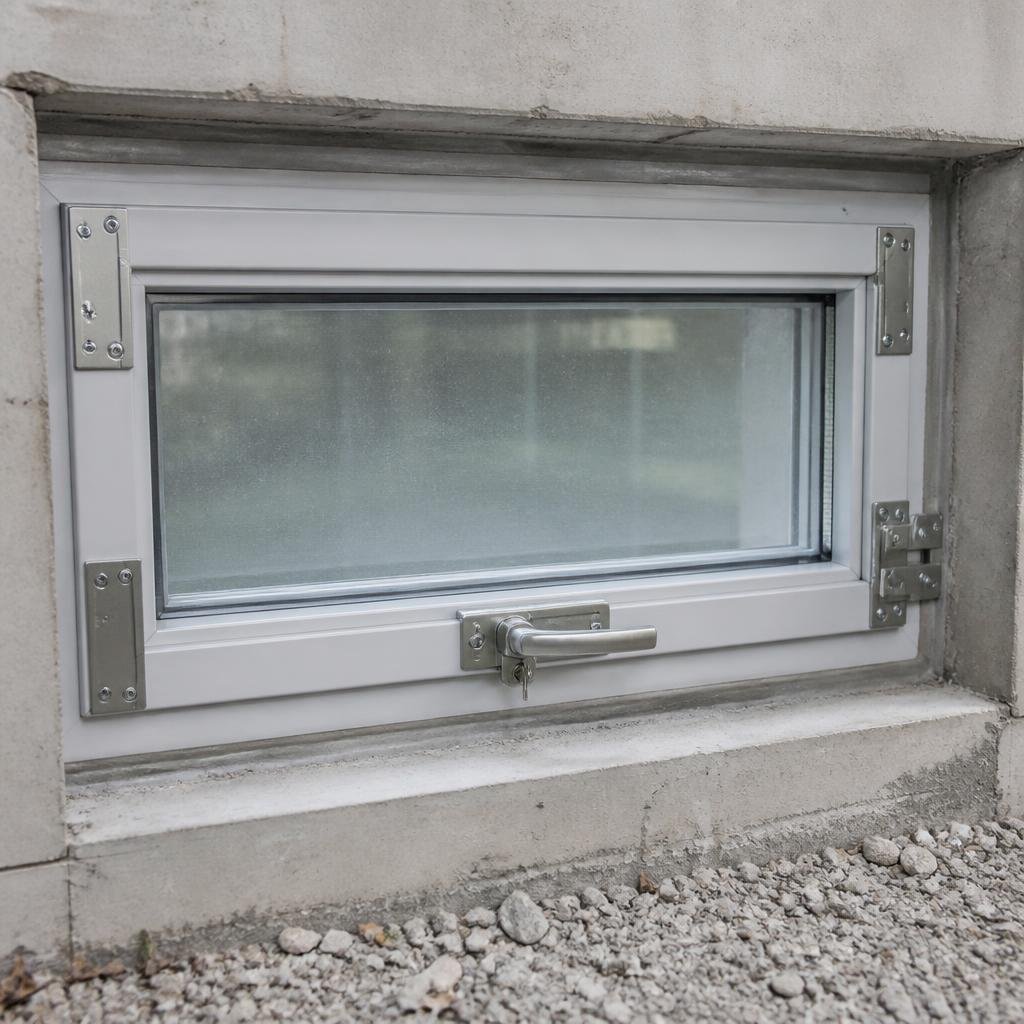
Why are basement windows a weak point in home security?
Basement windows are easy to reach and often poorly visible. A burglar can crouch in the window well, put down tools and work outside the view of neighbors or passersby. Older windows with a simple turn handle, thin frame or single pane of glass offer particularly little resistance.
A closed window does not automatically provide protection either. On many designs, an unlocked sash can be pried open. With a window left tilted open, the existing gap is enough for an attack, while privacy film or a curtain only reduces visibility from outside.
Which areas should you check first?
- Window handle: If the handle turns without a key, an important barrier against opening the window from outside is missing.
- Hardware: Old roller cams and few locking points give way more quickly during a prying attack than tested, multipoint hardware.
- Frame and masonry: Loose screws, crumbling reveals or wide gaps weaken even a sturdy window.
- Glazing: Single-pane glass and easily accessible glazing beads provide less protection than security glazing with a secured frame.
- Window well: A loose grate can be lifted or shifted sideways, giving direct access to the window.
- Surroundings: Ladders, boxes, trash cans and dense bushes make access easier or conceal the work.
During your inspection, approach the house once from the sidewalk and once from the garden. Check whether the window remains visible at night thanks to a light. Only open the window well when you have secure footing, and check whether the grate can be moved without tools.
Also assess the basement door, side entrances and connecting doors to the living area. A burglar will switch targets if one opening is better secured than another. Home security therefore depends on several coordinated barriers.
Pro tip
Photograph the frame, hardware, window well and mounting points before buying security equipment. The pictures can help a professional quickly determine whether a retrofit kit will fit or replacing the window would make more sense.
How can you secure a basement window mechanically?
Mechanical burglary protection forms the first layer of security. It keeps the window sash closed, makes prying it open more difficult and increases the time an intruder needs to carry out the attack. Alarm technology can report this resistance, but it cannot replace it.
Which window security solution suits your basement window?
For an intact vinyl or wood window, a locking handle can be a useful first step. It locks the handle when the window is closed and prevents someone from simply operating the hardware after breaking the glass. A handle alone, however, does not protect the frame against a forceful prying attack.
- Retrofit hardware: Additional locking points and tested security fittings distribute force across several points on the frame.
- Security bars: Permanently mounted bars make it harder to reach the glass and should be anchored through the wall or into a load-bearing frame structure.
- Security glazing: Laminated or burglary-resistant glass withstands attacks for longer, but it must be combined with a suitable frame and secured glazing beads.
- Window well grates: A lift-out prevention device, bolted bracket or suitable lock prevents intruders from lifting the grate and moving it aside.
Do not use a mounting system for security bars that can be removed from outside with a few simple movements. The screw heads must be protected, and the anchoring must suit both the wall and the window well material. Check particularly for corrosion in basements with high humidity.
What does a resistance class mean?
DIN EN 1627 classifies burglar-resistant windows and doors into resistance classes. Class RC 2 applies to components designed to withstand typical attacks with simple tools for longer. Complete installation remains crucial: a tested window loses its effectiveness if the frame is mounted only in crumbling masonry or with too few fixing points.
When installing new basement windows, seek advice on the appropriate class and glazing. For retrofits, look for tested products and installation instructions that match the window type. In rental properties, clarify drilling, security bars and structural changes with the owner beforehand.
“Tilted windows are open windows and an invitation to burglars.”
Always close basement windows completely when you leave the house. Keep the handle locked even when you are only going out briefly. Fixed security bars and a secured window well provide extra time and make access visibly more difficult.
What additional measures protect the basement?
Good mechanical security prevents access. Visibility, lighting and a fast alert can put additional pressure on an intruder. Combine these measures so that an obscure basement entrance does not go unnoticed.
How do lighting and visibility help?
A motion sensor with sufficiently bright lighting makes the light well and the path to the basement door visible. Aim the light at the entrance rather than directly at your neighbours’ windows. Trim back hedges and remove objects that could be used as footholds or places to store tools.
For outdoor lights and other solutions for your home and property, you can also search the Garden + Outdoor section for suitable products. Choose weather-resistant equipment, ensure safe cable routing and install it where it cannot be reached from the light well.
When is electronic surveillance worthwhile?
A window contact sensor or glass-break sensor can detect an attempted break-in at an early stage. An alarm system should trigger the alarm somewhere you can hear it or reliably receive it on your smartphone. Test the batteries, wireless connections and notifications regularly.
For several cameras around basement entrances, the can provide central recording as a 4-channel DVR. The device supports H.265+ compression, high camera resolutions and remote management via the Guarding Vision app, among other features. Before buying, check that the cameras, network and storage are compatible with the system.
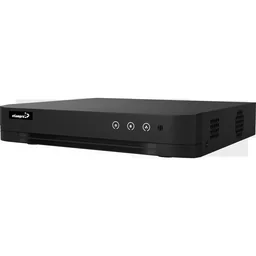
Aim cameras at the light well, basement door and property boundary without unnecessarily capturing public paths or neighbouring properties. A camera documents an incident and can act as a deterrent. It does not prevent an intruder from opening an unsecured window.
Which other access points lead to the basement?
Also check basement exterior doors, garage doors, utility shafts and connecting doors to the stairwell. Do not merely pull doors shut; lock them fully. Store ladders and garden tools in a locked area and keep the route to the basement clear.
Important note
A camera, motion sensor or alarm system does not replace mechanical window security. Secure the window sash, frame and light well first. If you use video surveillance, also check the data protection requirements and do not continuously film public areas.
How do you combine window security with protection for valuables?
A secure basement window reduces the risk but does not prevent a break-in through every other access point. Divide home security into layers: the entrance receives mechanical resistance, technology reports movement and valuable items are not stored openly in the room.
How should you position a safe in the basement?
The , a Phoenix SS0800 Vela Home & Office Safes series burglary-resistant safe, can provide additional protection for important documents, spare keys or small valuables. Do not leave a safe freestanding in a corner. Secure it to a suitable surface according to the manufacturer’s instructions and keep its location out of public view.
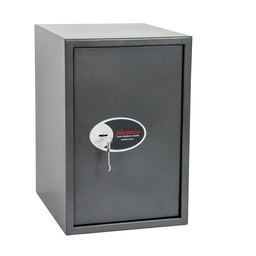
A safe does not replace window security or light-well protection. If an intruder enters the basement unnoticed, they may first search for portable items. Therefore, do not keep large amounts of cash, tools or equipment directly beside the window.
When is a security cabinet useful?
For tools, operating supplies or other sensitive products, the , a PSM 5 security cabinet, can provide organised, lockable storage. It is a useful additional solution if you want to keep items together in the basement and restrict access. Its suitability depends on the contents and the manufacturer’s specifications.
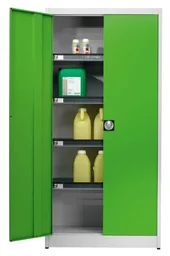
You can find more storage solutions and practical home security products in Business Supplies. Do not use such cabinets as a substitute for a certified security safe when storing particularly valuable or sensitive items.
Arrange items so that you can regularly see the window area. An unobstructed view makes it easier to check for moisture, rust and signs of tampering. Keep records of important purchases and do not store receipts in the same room as the items.
“Mechanical security should come first. Electronic systems can provide a useful addition to mechanical burglary protection.”
This order is particularly suitable for the basement: secure the windows, light well and doors first. Then add lighting, contact sensors or cameras. Only at the third level should you protect the contents with a safe or security cabinet.
How do you check the security of a basement window?
One-off installation is not enough. Screws can loosen, seals can age, metal can rust and plants can cover the light well again. Check basement windows at least twice a year and also after a storm, renovation work or an attempted break-in.
What should be included on your checklist?
- Close the window: Lock the handle fully and check that the sash sits evenly all around.
- Test the hardware: Only move the handle when the window is open, and look out for unusual play or locks that stick.
- Check the frame: Look for cracks, loose screws, enlarged drill holes and moisture in the reveal.
- Inspect the grille: Check the bars, welds, screws and the connection to the wall for rust or movement.
- Secure the grate: Carefully lift the light well grate and test the anti-lift mechanism without damaging it.
- Keep the area clear: Remove ladders, boxes, tools and dense plant growth from the access area.
- Test the lighting: Trigger the motion sensor and check its range, alignment and switching time.
- Check the technology: Check alarm contacts, camera recordings, app notifications, batteries and available storage space.
When should you hire a professional?
Get professional help if the frame is damaged, the masonry is crumbling or the existing security system is not suitable for the type of window. This also applies to large basement windows, hard-to-reach fixing points and planned upgrades with a tested resistance class.
After installation, keep the product documentation, photos and invoices. Make a note of when you checked the hardware, grille and alarm technology. This will help you spot changes more quickly and establish which measures have already been implemented if damage occurs.
For repairs and suitable equipment for your home and property, the Westfalia shop offers a range of products. For security-relevant components, always choose a solution that suits the window, masonry and light well.
Additional advice
Create a short security plan for the whole family. Decide who will investigate an alarm notification, which doors should be locked and where spare keys will be kept safely. Do not hide keys in the light well, under the doormat or in an unlocked basement room.
Conclusion: You can secure basement windows effectively by considering the window, frame and light well together. Start with mechanical window security, add lighting and alarm technology, and protect valuables separately. Regular checks keep your burglary protection working reliably over the long term.
Frequently Asked Questions
- What is the best way to secure a basement window?
- The best solution combines mechanical security measures. Install lockable handles and burglar-resistant hardware or a firmly anchored window grille. Also secure the light well against lifting. Check the frame, masonry and fixings together, because even a strong grille is of little use if the frame gives way.
- Are basement windows with grilles burglar-proof?
- A grille makes access considerably more difficult, but it does not automatically make a basement window burglar-proof. Stable bars, corrosion-resistant connections, secure anchor points and a protected fixing point are crucial. In a light well, the grate also needs an anti-lift mechanism. Have older constructions assessed by a professional.
- What does window security achieve in a light well?
- Window security protects the sash, while the light well often conceals access and provides space for tools. Therefore, secure both levels: use a window grille or tested hardware on the window, as well as a grate protected against lifting. Remove ladders, boxes and gardening tools from the well and keep it clearly visible.
- What resistance class does a basement window need?
- The appropriate resistance class depends on the location, valuables and level of risk to the building. For many private areas, tested burglar-resistant components from RC 2 onwards are a sensible starting point, but the installation situation also matters. Have the window, masonry and fixings planned by a professional in accordance with DIN EN 1627.
- Do I also need a camera in the basement?
- A camera can document movement and act as a deterrent, but it does not replace mechanical window security. Use it as a second layer, especially at poorly visible light wells or basement doors. Point cameras at your own property, store footage sparingly and check data protection requirements before installing the system.
You may also be interested in
- Home security: Tips and DIY measures
- Burglar protection test and comparison 2026
- Secure your front door properly: Choosing and installing locks
- Home security while on holiday: Simulate occupancy with a system
- Exterior lighting for home security: Tips for your home
- Security hardware: Effective protection for your home